
| | |
Adjust Reading Experience
Font Size
High Contrast

Portraits of Care

Patient voices,shaping better care

Understanding the experiences of Albertans whose needs are too often
overlooked is the first step toward improving care for everyone.

Real data · honest stories

01Why this exists

“Designing improvements for the so-called ‘average’ patient often ignores the needs of those who don’t fit the average experience. At Health Quality Alberta, we want to better understand the diverse communication experiences of patients in healthcare.”

Health Quality Alberta surveys thousands of Albertans each year with our Primary Care Patient Experience Survey and pairs that data with a selection of qualitative interviews — real conversations that reveal the human stories behind the numbers. The result: a series of interactive personas that reveal insightful patterns of experience from patients in our province.
How we developed the personas
02The personas

Click any portrait to read the full story, listen to audio excerpts, and compare their experience ratings with others in the province.

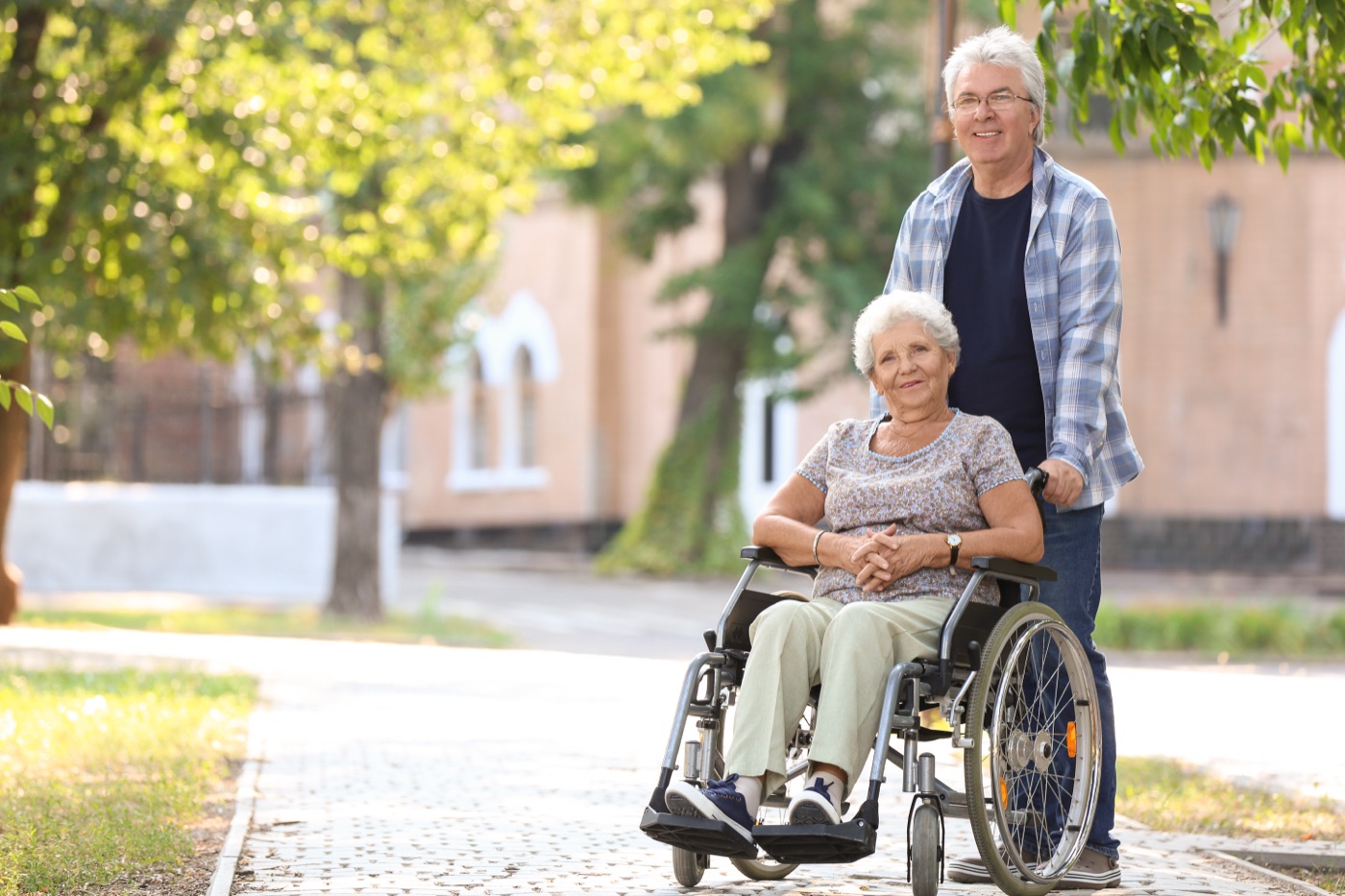
Terry

Terry

66, caregiver

“I know it’s a lot. I do… But if I could ask for anything… it’d be to just make this a bit easier on me.”
Safety Trust Access Continuity Identity
Read My Story
Jesse

Jesse

41, single parent with two children

“It’s like running on a treadmill that never stops – no matter how hard I try, I never seem to get any closer to relief.”
Chronic Pain Access Complexity Rural & Remote Communication
Read My Story
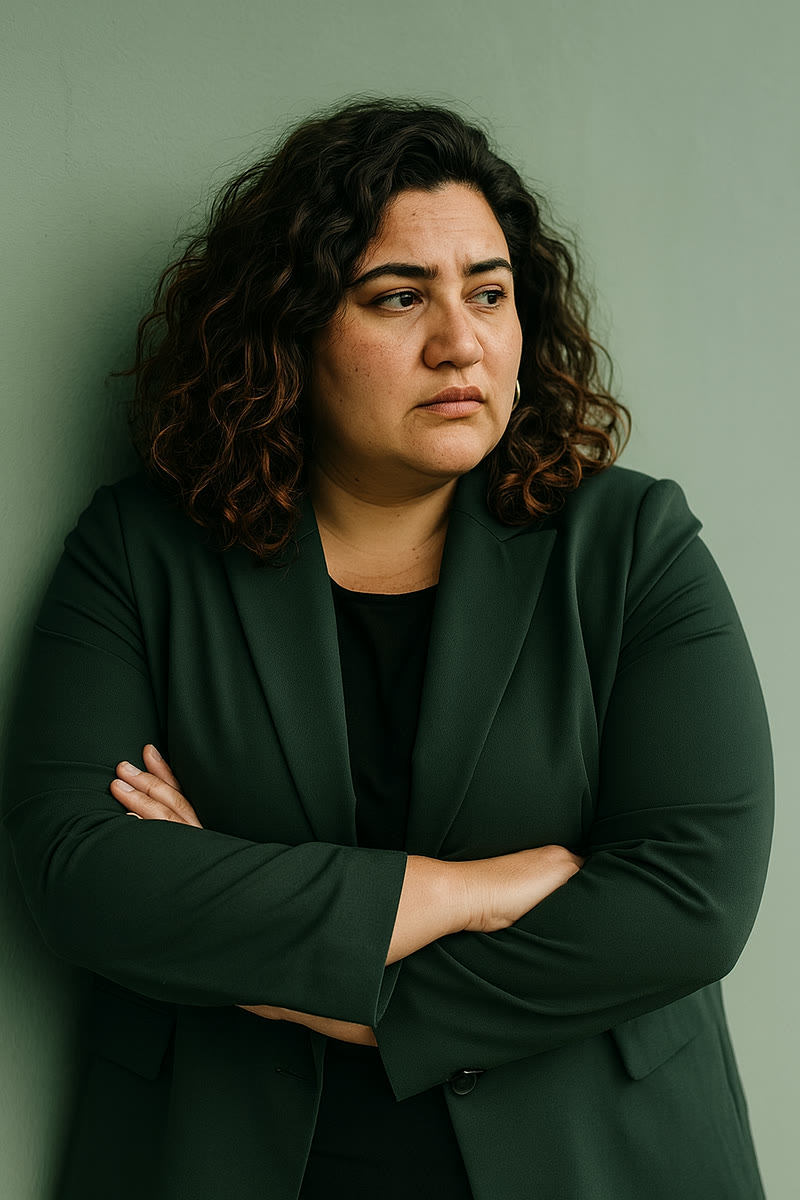
Morgan

Morgan

49, health researcher

“I just hope that someday, someone will meet me with curiosity instead of judgment.”
Communication Weight Stigma Trust Access Equity
Read My Story
Pat

Pat

68, married

“The system feels tired, and I hesitate to add to its weight unless I really need to.”
Avoiding Care System Strain Preventive Care Access Trust
Read My Story
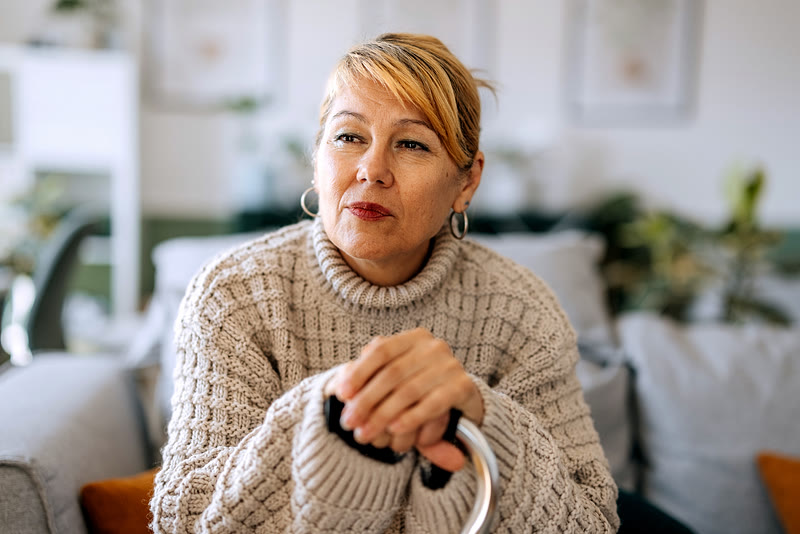
Robin

Robin

59, divorced with two adult children (one living at home)

“As I get older, my health needs are more complex. It’s never just one thing.”
Aging & Disability Caregiving System Navigation Complexity Coordination
Read My Story
Kai

Kai

29, currently living with parents; support from trusted friends and family

“I know these things are connected somehow. I just need someone to help me figure out how.”
Uncertainty Mental health Neurodivergence Financial Strain Communication
Read My Story
03Who this is for

Bring a persona into your next conversation

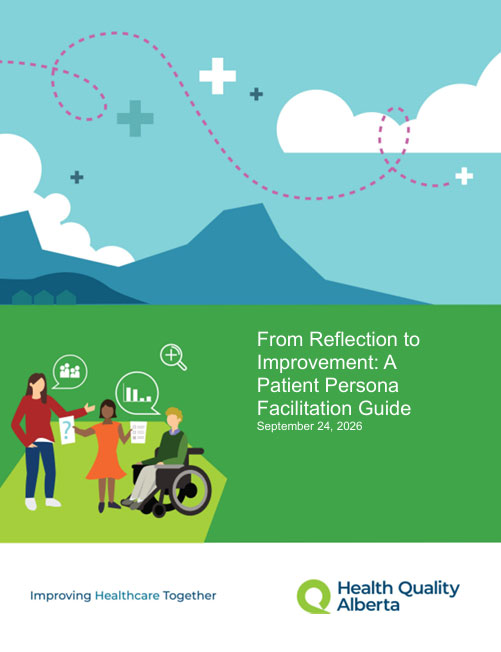
Portraits of Care Facilitator
Guide
Health Quality Alberta

Resource · For care teams & educators

From Reflection to Improvement:A Patient Persona Facilitation Guide

Everything you need to bring the personas into team meetings, training sessions, and quality improvement conversations.

  • Three ready-to-run session formats — from a 15-minute huddle to a full workshop
  • Discussion prompts for every persona
  • Guidance on creating a safe, judgment-free conversation
Free PDF · designed for care teams & educators

For Care Teams & Educators

Explore patient experiences from different perspectives, reflect on what quality looks like through the Alberta Quality Dimensions for Health, and identify opportunities to strengthen care. Each persona includes questions and resources to support reflection, discussion, learning, and improvement.

Resources are available with each persona.

For Patients & Families

You’re not alone. Many people may recognize aspects of their own healthcare experiences in these stories. Explore the personas, reflect on what resonates with you, and find information, resources, and supports that may be helpful in your own healthcare journey.

Resources are available with each persona.

For Leaders & Decision-makers

Look beyond the numbers to better understand the experiences and contexts they represent. Grounded in provincially reported patient experience data from FOCUS on Healthcare, the personas connect patient experiences with measures, regions, and populations to support more people-centred decisions about care, services, and the health system.

04Method

How we developed the personas

1. Learning from thousands of survey responses

We started by analyzing more than 3,500 responses to Alberta’s Primary Care Patient Experience Survey. We focused on six questions about communication between patients and healthcare providers, such as whether providers listened carefully, explained things clearly, and involved patients in decisions about their care. Other factors such as access to care, financial status, and social supports were considered as well to help identify patients whose care needs were not being met. Our analysis showed that about one in four respondents (24 per cent) had experiences that differed from the overall pattern seen in the survey results.

2. Hearing directly from patients

To better understand these different experiences, we conducted 16 in-depth interviews with people whose survey responses reflected this distinct perspective. These conversations helped us understand the people behind the survey answers and provided the context, complexity, and lived experience that numbers alone could not capture.

3. Creating patient personas

Using both interview and survey data, we developed a series of patient personas. Each persona reflects patterns of experiences shared across multiple interviews. No persona represents a single individual or interview. Instead, each persona weaves together shared and unique experiences, challenges, strengths, and perspectives. Because each persona is a composite of experiences and perspectives drawn from interviews with multiple people, we refer to each persona on second reference as they, them, and their.

4. Put them to work

Personas help us see the people behind the data, as well as remind us that behind every data point is a real-life experience. They can serve as training tools and reflective prompts for providers and create accessible ways for policymakers and leaders to consider the real-world implications of their decisions on diverse patient populations.

A note on authenticity and privacy

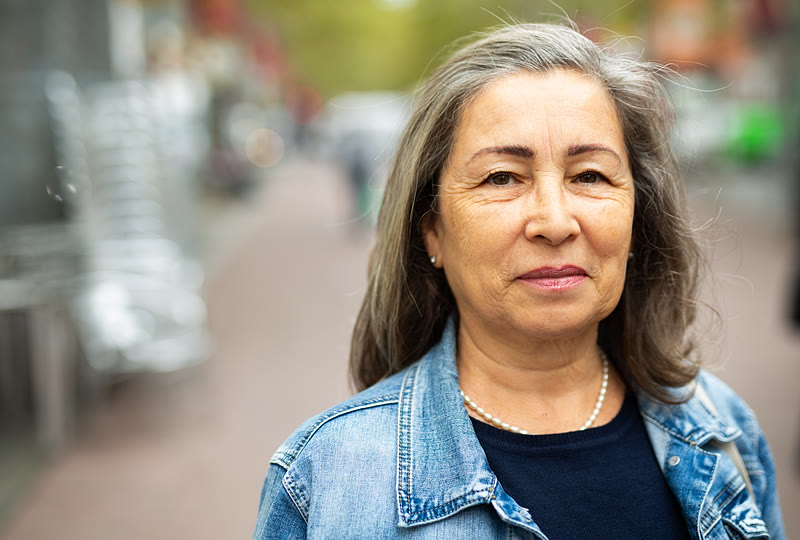
The experiences, data, and quotes reflected in these personas are grounded in interviews with real Albertans who gave us permission for their stories to be shared. To protect privacy and anonymity, all names, photographs, and voice recordings are fictional representations. They were created to reflect the experiences shared through interviews and surveys, while safeguarding participants’ identities.

Gratitude

We are deeply grateful to the patients who generously shared their experiences with us, and to the patient and primary care advisors as well as health system and academic partners who helped shape this work. Their insights, questions, and care have strengthened these personas and continue to inform how we learn from and amplify the care experiences of Albertans. — Health Quality Alberta